We Were Close: What Reshuffle Helped Me See in my Speech at Catalyze 2023
I ran across this video of a speech I gave three years ago and, to be honest, I did not even know they had posted it. Watching it now, what struck me was not nostalgia. It was recognition. The speech was reaching for an idea I did not yet have the language for: that the real commercial opportunity in AI is not merely prediction or automation, but coordination.
I thought it was worth sharing because the underlying idea still holds. If anything, it feels more right now. The language is earlier. The framing is rougher in spots. But the instinct is already there, and that is always fun to discover in your own work.
Table Of Contents
- An Unexpected Time Capsule
- Why Copernicus Still Matters In Business
- Where The Speech Still Holds Up
- What I Had Not Yet Learned From Reshuffle
- The Ambition Of The PROS Story
- From Prediction To Coordination
- Why This Still Feels Like A Live Opportunity
- We Were Close
An Unexpected Time Capsule
There is something delightful about discovering a piece of your own work as if somebody else had buried it for you to find later. That was my experience with this speech. I did not go looking for it. I stumbled across it. And once I did, I was glad I had.
Looking back at the deck, what I see is ambition. Metaphor. Theater. A real attempt to make a commercial problem feel as large and interesting as it actually is. Enterprise software too often explains the surface of work and ignores the system underneath it. This deck was trying to get underneath it.
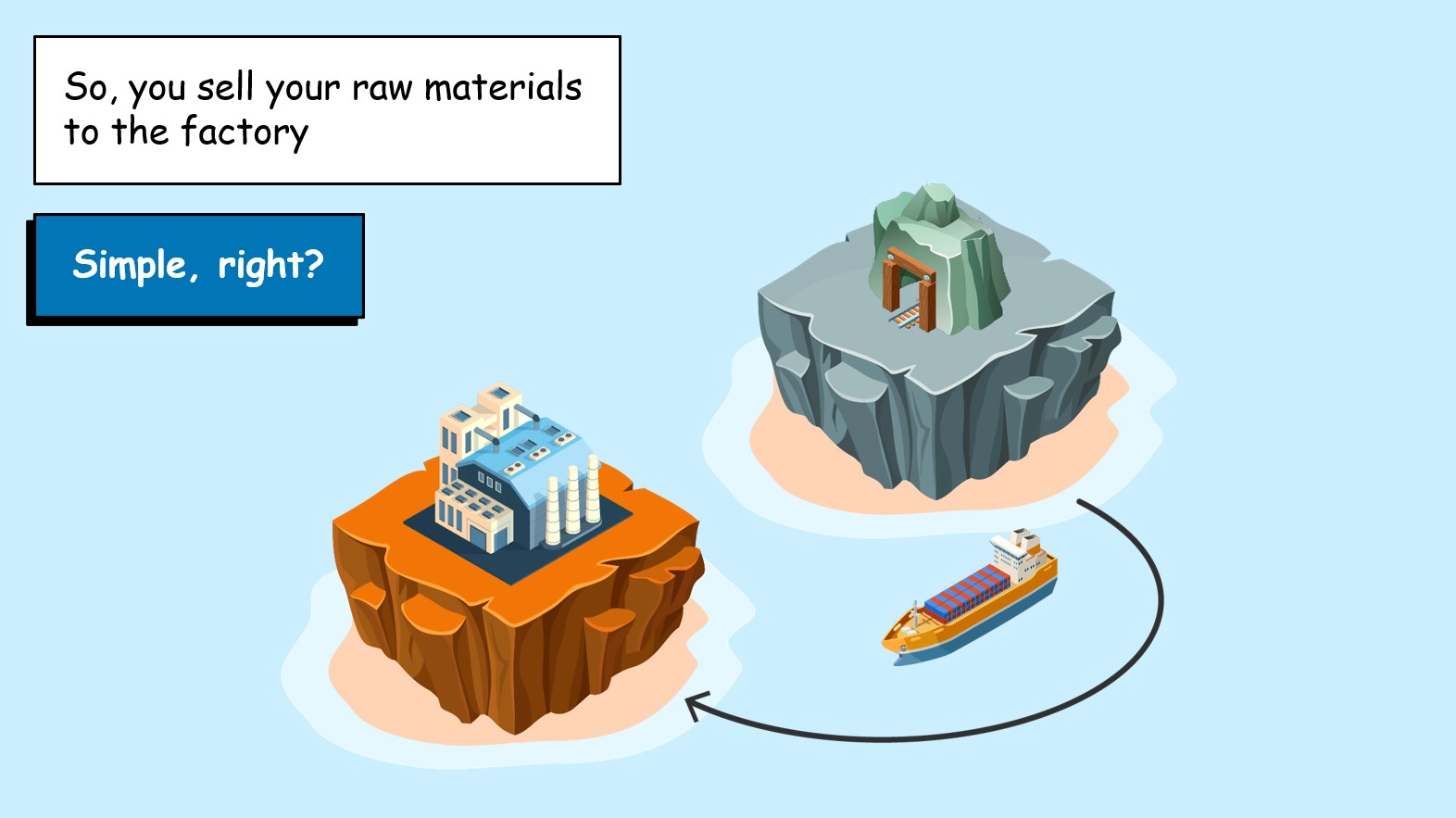
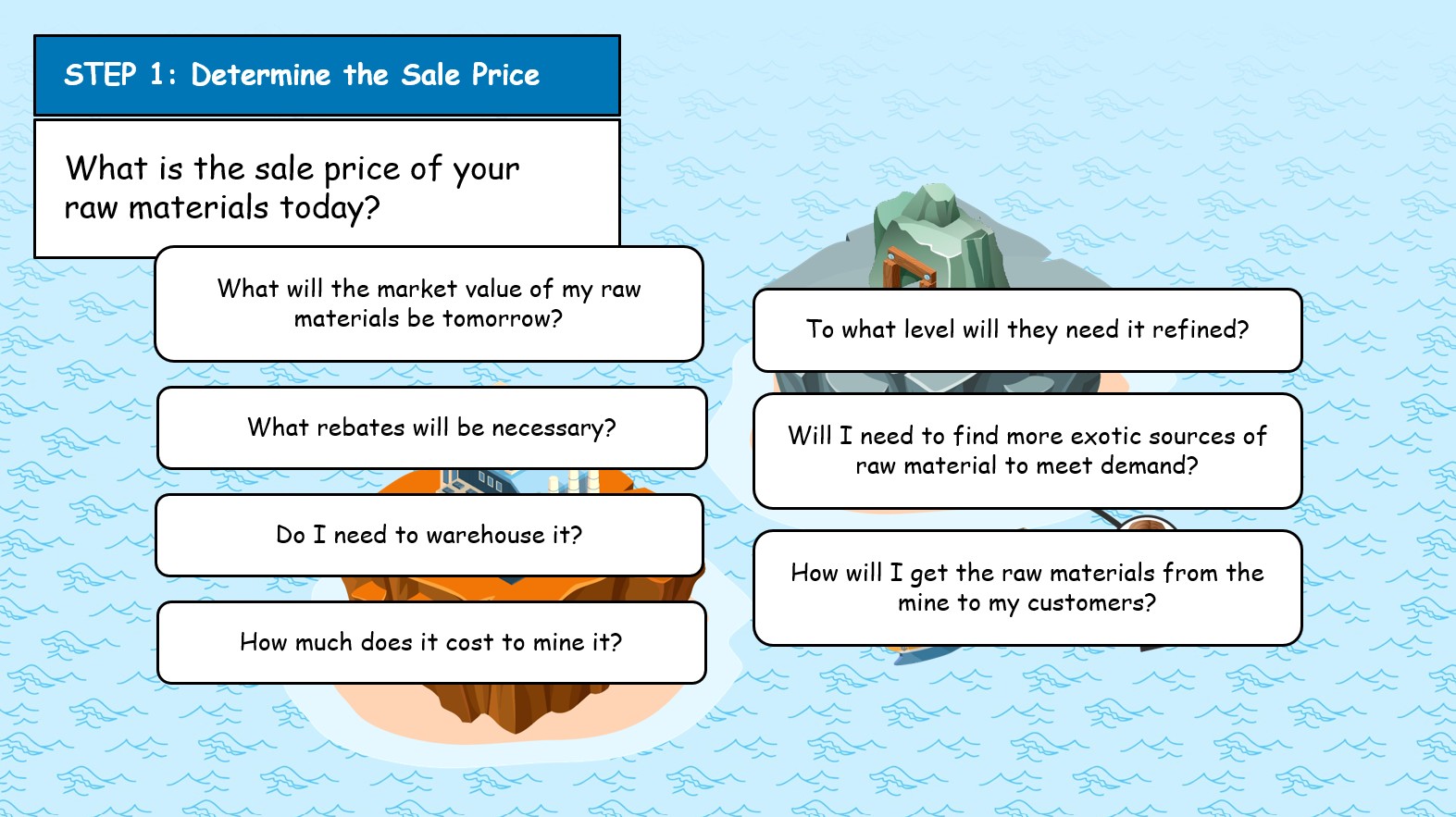
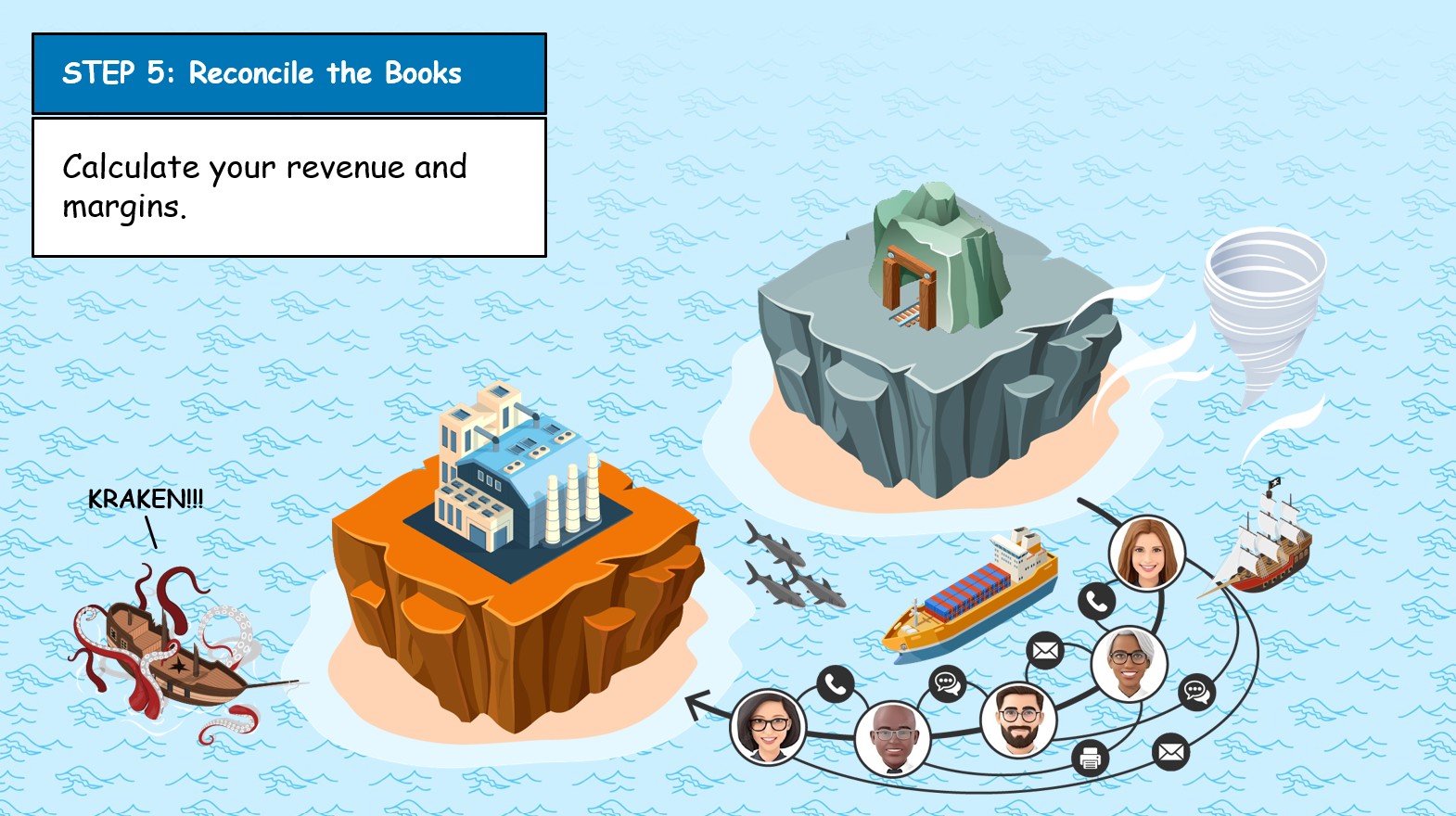
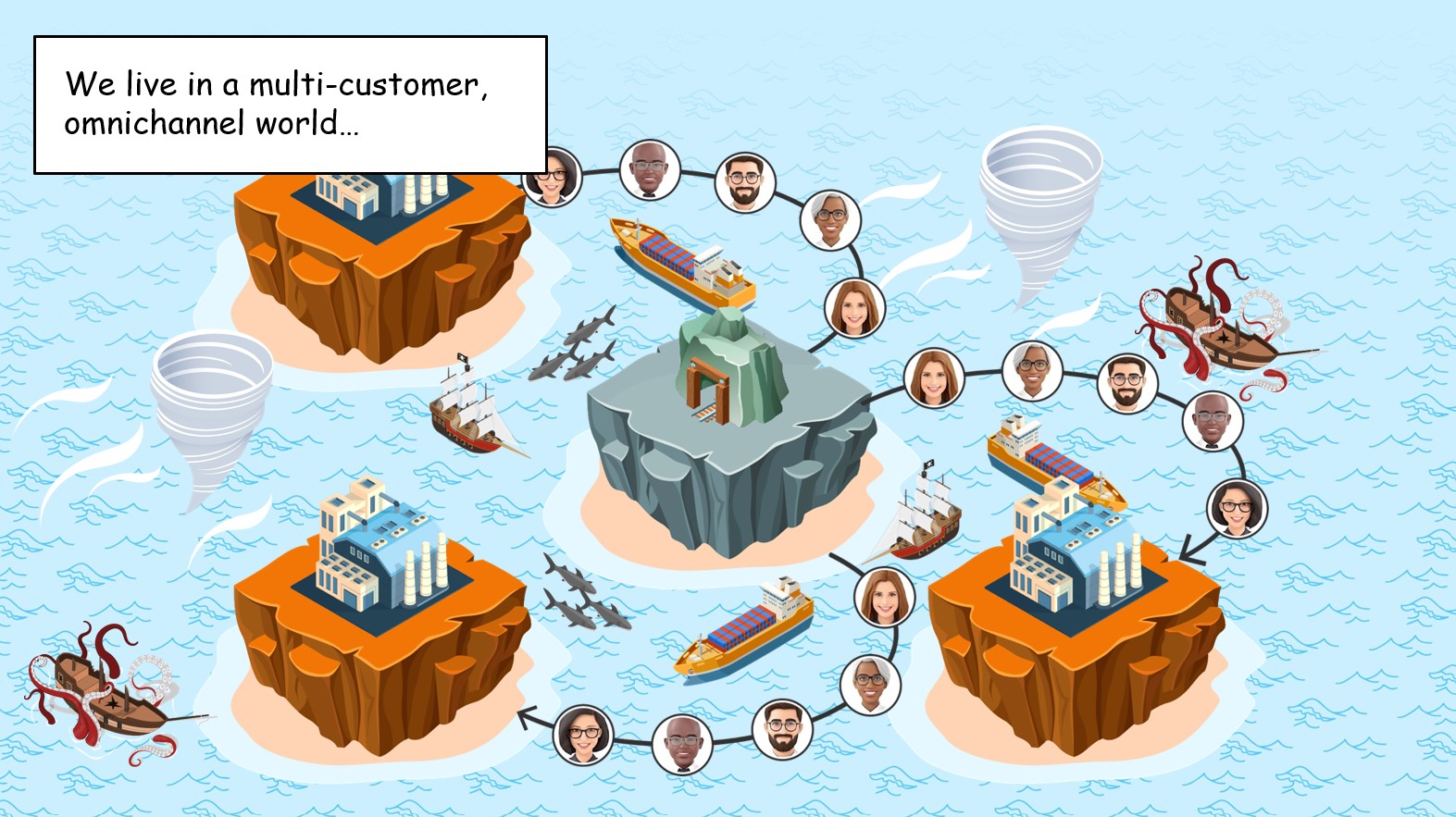
There are also some visuals in there that still make me smile. The problem section with the islands is sheer genius. It is the kind of slide that does not merely decorate the argument. It advances it. It was ambitious work, and I am glad I dug it up.
Why Copernicus Still Matters In Business
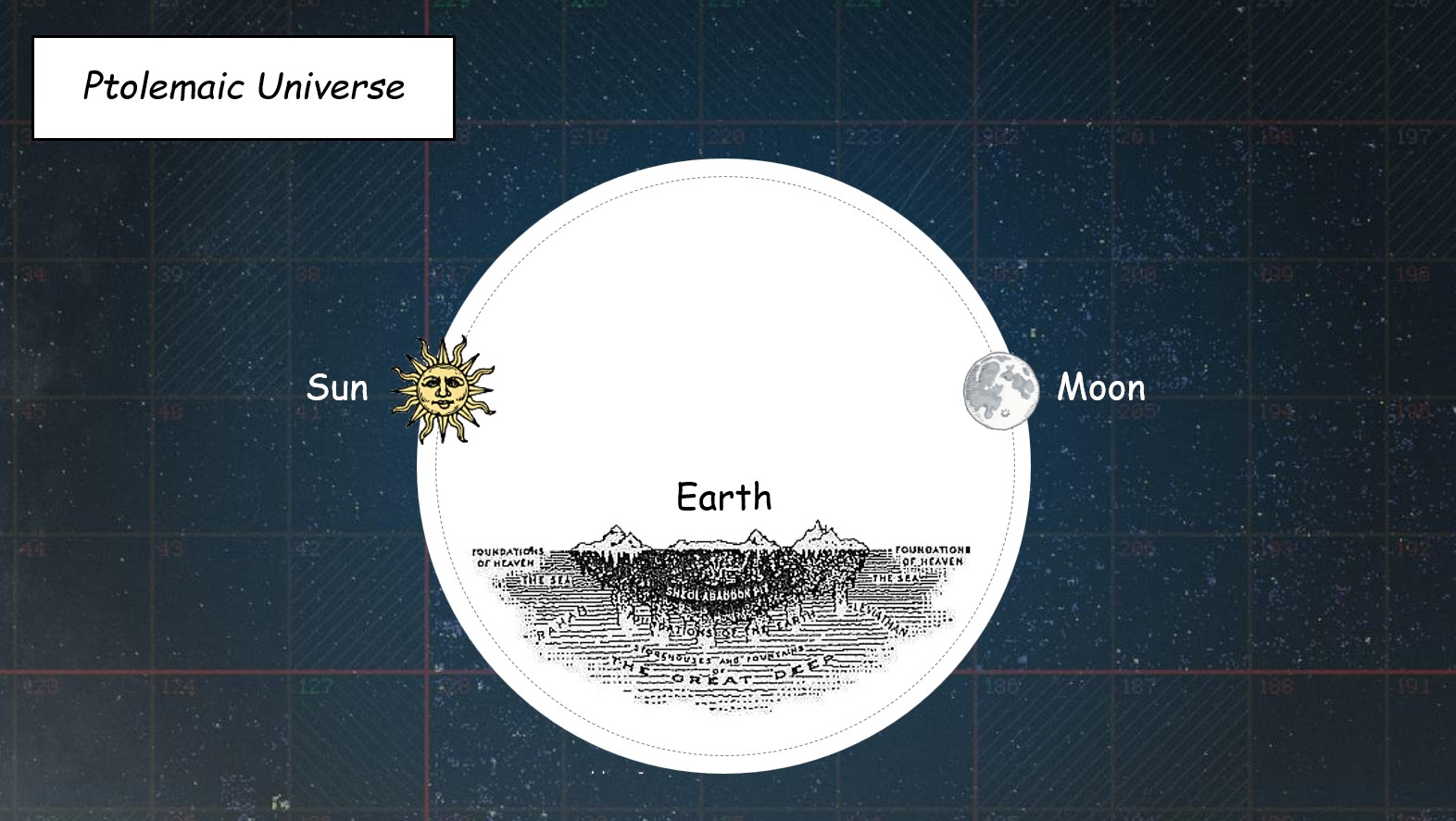
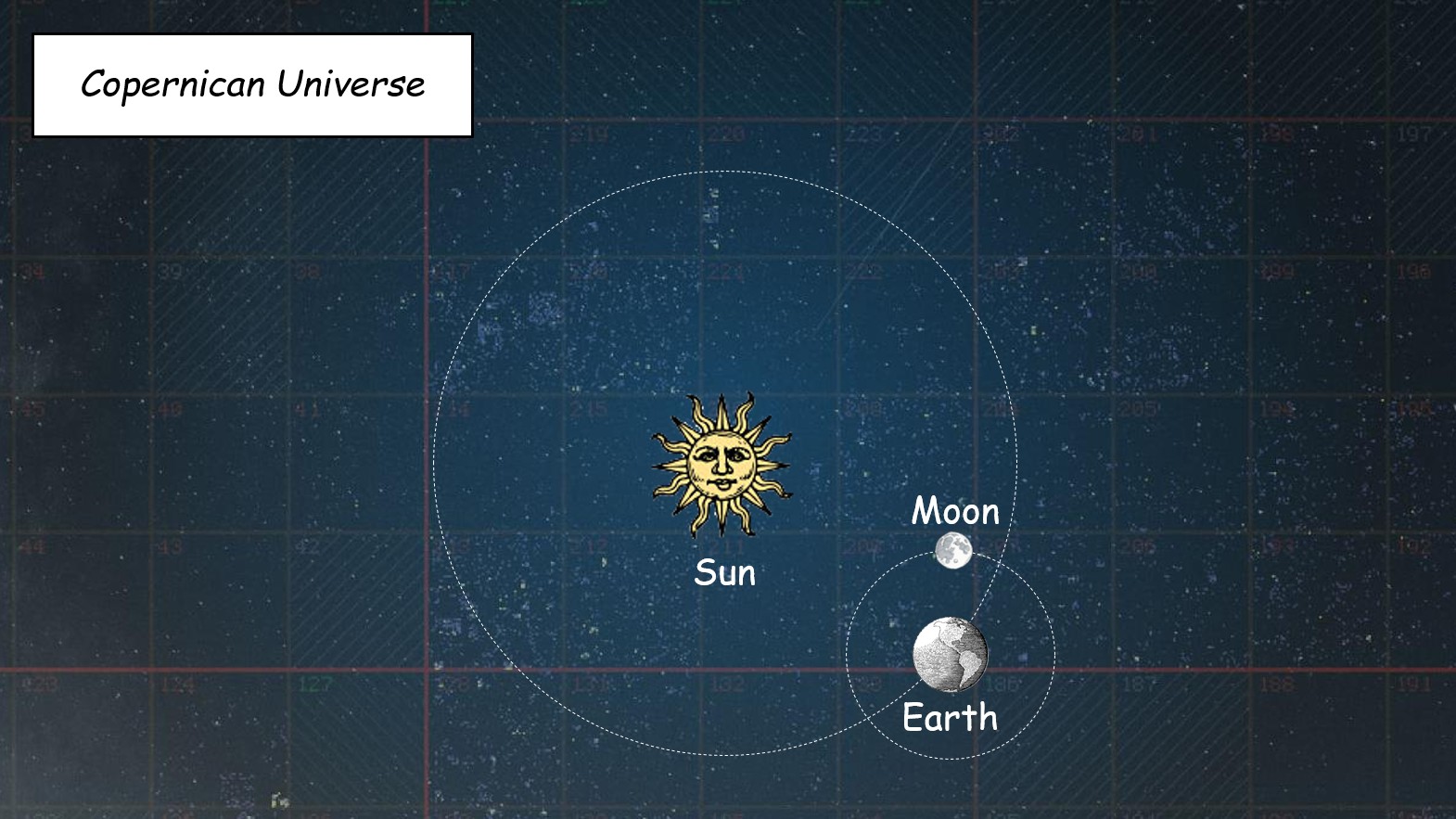
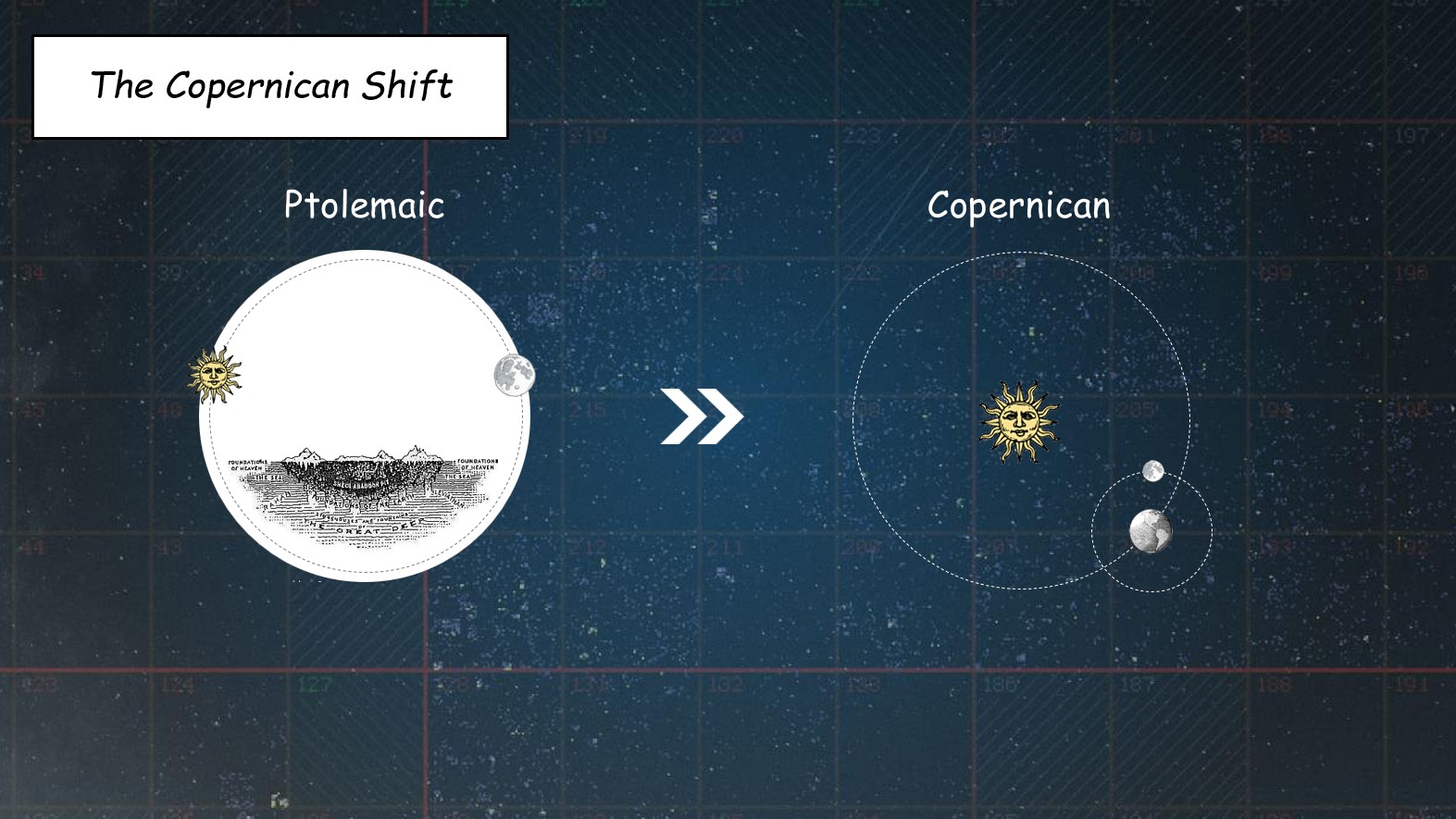
The argument in the talk is simple: Progress often begins when you stop treating your own point of view as the center of the universe and start looking at the world the way it actually works. The original Copernican Shift did that for astronomy. Good strategy does it for business.
I start, of course, with Copernicus. For centuries, people believed the Earth sat at the center of everything. Copernicus displaced it. That was not a minor correction. It was a destabilizing act of intellectual honesty. I have always loved that metaphor because so much bad strategy is just modern Ptolemaic thinking in a nicer blazer. We put ourselves at the center — our product, our org chart, our process, our internal language — and then we wonder why the model gets more elaborate, more defensive, and less true.
That was really the point of this speech. Companies do this all the time. They organize around the machinery of the business and then ask customers, partners, and employees to navigate the resulting mess. In this talk, I used pricing, incentives, quoting, fulfillment, reconciliation, and reporting as the proof point. Because that is where the real drama is. That is where strategy collides with execution, where complexity stops being theoretical, and where fortunes are won or lost.
Where The Speech Still Holds Up
One thing I still like about the deck is that it does not pretend complexity is imaginary. It does not do the consultant trick of waving a wand over a broken system and calling it “transformation.” It respects the fact that modern commercial environments are genuinely hard.
What is the right price today? What rebates are needed? What is my walk-away point? What happens when the customer wants special terms? What happens when channels collide, regions differ, agreements conflict, and the invoice still has to reconcile at the end of the quarter? When your job feels hard, it is often because it actually is hard.
 Watching it again, I was struck by how much of my later thinking is already in there in seed form. I have written a lot since then about buyer-centricity, about shifting from company-first thinking to customer-first thinking, and about understanding the system from the outside in rather than the inside out. This talk is one of the earlier public expressions of that instinct.
What I could see then, but could not yet fully name, was that the hard commercial problem was never just intelligence. It was coordination.
What I Had Not Yet Learned from Reshuffle
What I did not yet have, when I gave this speech, was Sangeet Paul Choudary’s book Reshuffle. More specifically, I did not yet have his wonderfully crisp formulation of “coordination without consensus.” That language had not landed for me yet.
Watching the deck now, I had to laugh a little, because the instinct was already there. In the problem section, I was literally using islands and container ships to illustrate the challenge. The metaphor was doing work before I fully understood why.
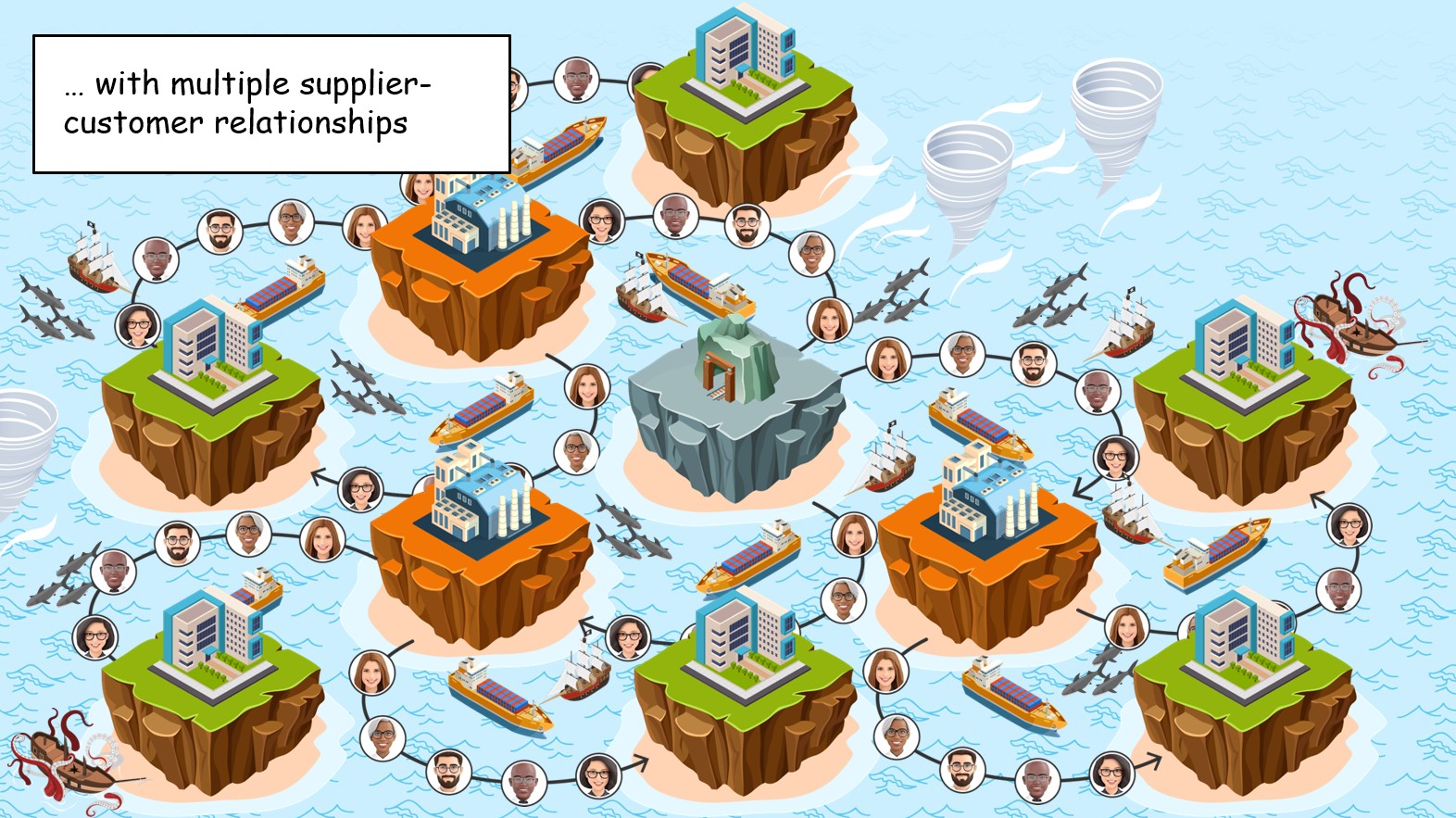
That image hits differently now. Modern commercial systems do not break down only because they are large. They break down because they require too many disconnected parties, processes, incentives, and systems to work together without a true coordinating layer. That is what Reshuffle helped clarify for me later.
The real AI opportunity is not merely prediction. It is not even automation, at least not primarily. It is coordination. It is the ability to create coherence across fragmented actors without forcing everyone into the same schema, the same workflow, or the same worldview first.
That is a bigger question. And a more interesting one.
The Ambition of the PROS Story
That, in turn, makes me look back at the ambition of the PROS platform story with a mix of admiration and unfinished-business energy. There was real ambition in it: an end-to-end Profit & Revenue Optimization System. Even the acronym was trying to tell the story. And that was a big idea.
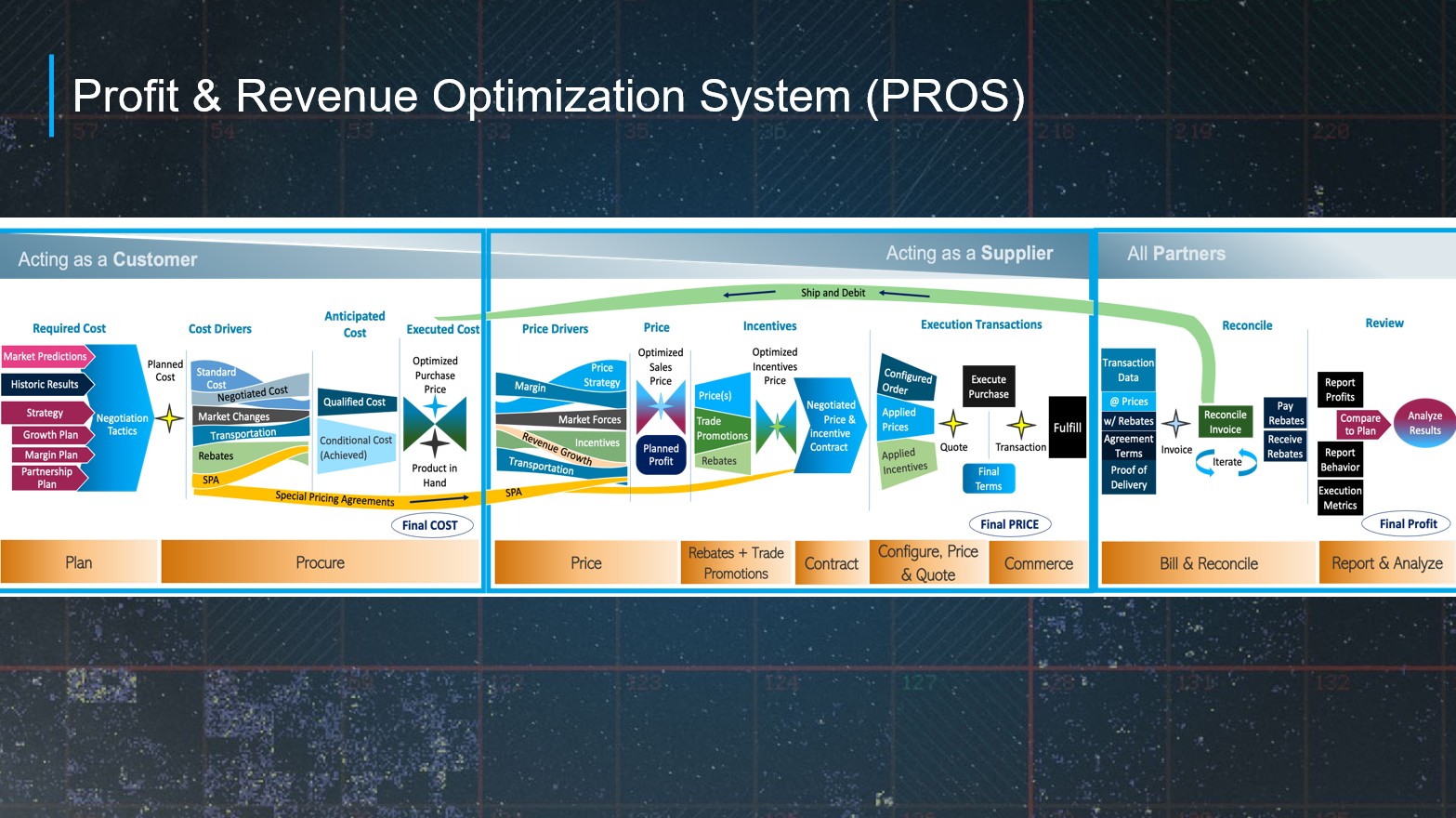
But we never really built it all the way out on those terms. At the time, I think we were still anchored to a narrower mental model of AI. We were using AI to generate predictions. We were not yet really using AI to drive coordination. We did not have that framing at all. And we certainly were not yet living in a world where AI could materially help us build the system itself.
We had a platform story, but not yet a coordination theory.
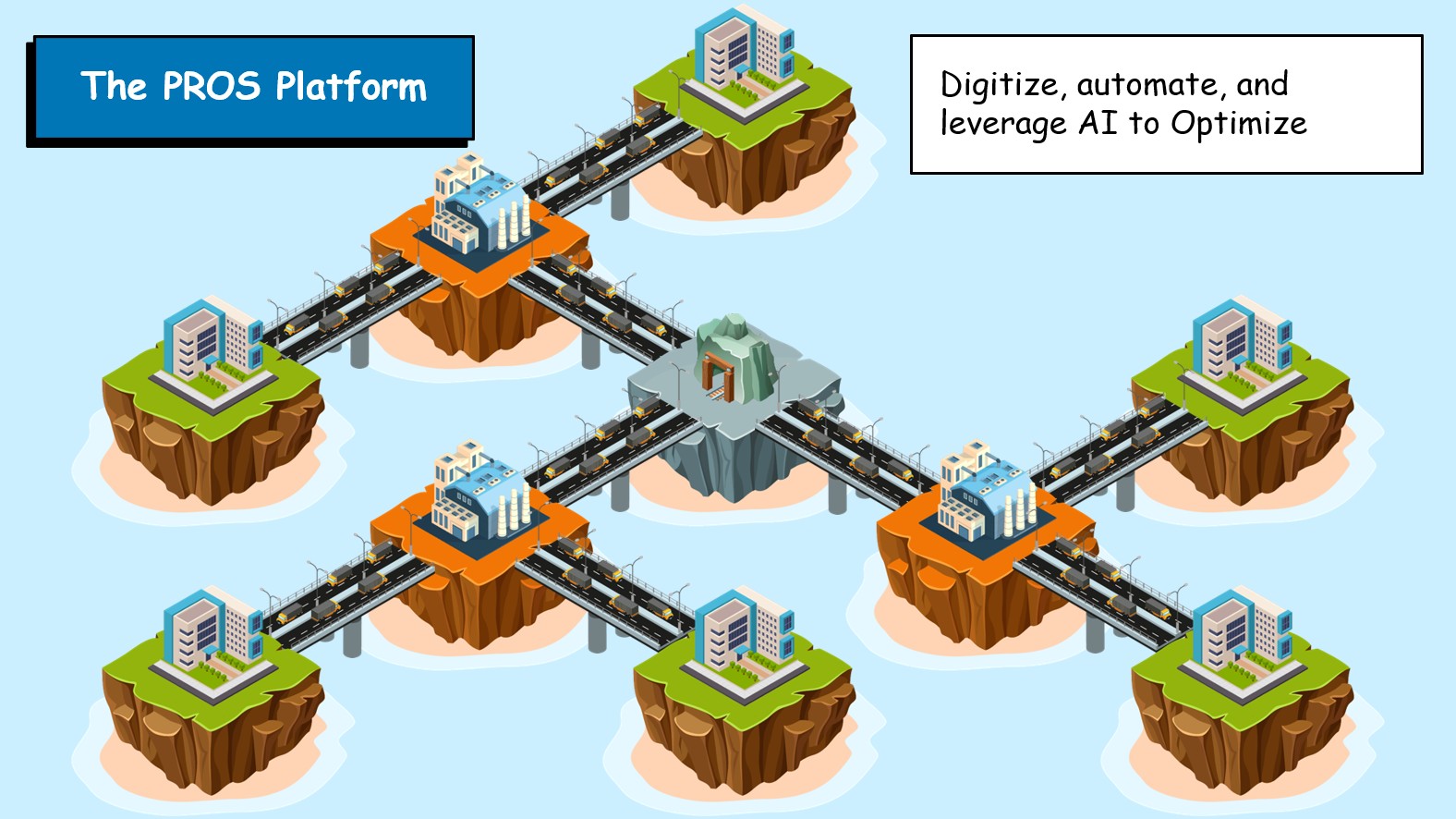
That matters, because the platform story was reaching for something bigger than a set of applications. It was trying to define a commercial control plane, even if we did not yet have that language either. You can see the aspiration in the deck. You can see the desire to get beyond isolated functions and toward a system that could connect them.
From Prediction To Coordination
So if I were giving this speech today, in a world where Reshuffle exists and AI-native applications are becoming real, I would frame the Copernican Shift here a little differently. Not merely as a move from manual work to digital work. Not merely as a move from disconnected tools to integrated platforms. I would frame it as a move from coordination by bureaucracy to coordination by intelligence.
That is the bigger shift.
In the old world, alignment came from forced consensus. Standardize the process. Lock the workflow. Make everyone conform. In the emerging world, coordination can increasingly happen across difference. Across functions. Across systems. Across trading partners. Across the awkward, messy, real-world boundaries that define commercial life.
Looking back, that is what some of these slides were reaching for before I had the vocabulary for it. I thought I was illustrating complexity. What I was really illustrating was orchestration.
This is also why AI-native applications are so interesting. The point is not to sprinkle a bit of intelligence on top of a broken workflow and declare victory. The point is to rethink the workflow itself around the possibility that systems can now help coordinate action, not merely report on it after the fact. That is where the real opportunity begins.
Why This Still Feels Like A Live Opportunity
The reason this still feels alive to me is that the commercial problem itself remains unsolved. That is what makes this more than a nostalgic repost. It still looks like a killer opportunity for a smart team that is genuinely focused on the commercial problem: pricing, incentives, quoting, fulfillment, reconciliation, and the messy reality of multi-party trade.
The startup opportunity here is not another point solution with an AI glaze on it. It is a commercial coordination layer: a system that can see across pricing, incentives, quoting, fulfillment, and reconciliation, and help the actors in that system behave with greater coherence in real time.
In that sense, this old deck now reads a bit like an early field guide to where AI-native applications can create real value — not by sprinkling intelligence on top of a broken workflow, but by helping the system coordinate across the workflow in the first place.
The answer I offered in the speech was that the opportunity is not to wish complexity away, but to build a better center of gravity for it. In that context, I was talking about a prediction-and-optimization platform: a system that can unify the data, connect the workflows, model the tradeoffs, and help people make better decisions in real time. Put differently: The Copernican move in business is often not about adding more activity. It is about finding the right center, because once you do that, what looked chaotic starts to become legible.
If anything, it feels more right now.
We Were Close
Which is why I am glad I found this little time capsule. The language is earlier. The thinking is rougher in spots. But the instinct still feels right to me. Sometimes the most important move in strategy is not invention. It is reorientation.
And to my former colleagues at PROS: We were close. Closer than we knew.
Watch the talk: The Copernican Shift
Download the original PowerPoint: Grad-Conn_Catalyze_6-08-2023_FINAL